Losing a tooth can affect more than just your smile — it changes how you chew, speak, and how your jawbone maintains its shape. Dental implants restore both appearance and function by replacing the missing tooth root as well as the visible crown. Because implants integrate with the bone, they create a stable, long-lasting foundation for individual crowns, bridges, or full-arch restorations.
Implants are designed to mimic natural teeth in form and function. That means patients often regain the ability to eat a full range of foods, speak clearly, and smile without worry. Unlike removable alternatives, properly placed implants eliminate common concerns about slipping or the need for adhesives.
Treatment with implants is a team effort between the patient and the dentist. Careful evaluation, three-dimensional imaging, and a thoughtful treatment plan help ensure predictable results. When performed with attention to detail, implants deliver durable, comfortable outcomes that preserve facial structure and overall oral health.
At Dodson Brothers Dentistry, we focus on individualized care so each implant plan meets a patient’s functional needs and aesthetic goals. Our aim is to help people regain confidence in their smiles with solutions that stand the test of time.

Dental implants are small, biocompatible posts surgically placed into the jawbone. Over the following months they fuse to the bone in a process called osseointegration. Once integrated, the implant behaves very similarly to a natural tooth root, supporting the visible crown and transmitting chewing forces into the bone in a healthy way.
This root-level support is what sets implants apart: they preserve bone volume and facial contours by providing the stimulation the jaw needs. Without that stimulation, the bone in an empty socket can resorb over time, sometimes altering facial proportion and making adjacent teeth more vulnerable to shifting.
Because implants don't rely on neighboring teeth for support, they often preserve surrounding tooth structure. In many cases a single implant replaces one missing tooth without involving the adjacent teeth, avoiding the need to grind or alter healthy enamel.
Implant treatment begins with a comprehensive exam and diagnostic imaging to assess bone volume, tooth alignment, and gum health. From there, your dental team develops a phased plan that may include preparatory steps such as tooth extraction or bone grafting when needed. Clear communication about each step helps patients feel prepared for the process ahead.
Surgery to place an implant is typically performed as an outpatient procedure under local anesthesia, with sedation options available for added comfort. After the implant is placed, a healing period allows osseointegration to occur. In some cases a temporary crown or bridge is provided right away; in others, the final restoration is attached after healing is complete.
Successful outcomes rely on precise surgical technique, high-quality restorative materials, and ongoing maintenance. Regular dental checkups, consistent oral hygiene, and professional cleanings all contribute to the long-term health of the implant and surrounding tissues.
Traditional bridges and removable dentures remain viable options for tooth replacement, but implants offer several distinct advantages. Because implants are anchored in the bone, they feel and function more like natural teeth, allowing for stable biting and chewing without the movement associated with some removable appliances.
Implants also reduce the risk of bone loss in the area of the missing tooth. By restoring the root function, implants maintain the stimulus the bone needs to preserve its volume and the contours of the face, which can be especially important over many years.
Another benefit is that implants remove the need to alter adjacent teeth in many situations. A conventional bridge often requires reshaping neighboring teeth to support the restoration; implants can replace a tooth independently, preserving healthy tooth structure.
From a patient’s perspective, implants remove many of the daily frustrations associated with removable options: no adhesives, no taking appliances out at night, and fewer concerns about slippage while talking or eating. They also make it easier to maintain normal oral hygiene routines because each implant restoration is cleaned similarly to a natural tooth.
Long-term durability is another frequent reason people choose implants. With appropriate planning, quality materials, and routine care, implants can remain functional for many years, often making them the preferred long-term choice for tooth replacement.
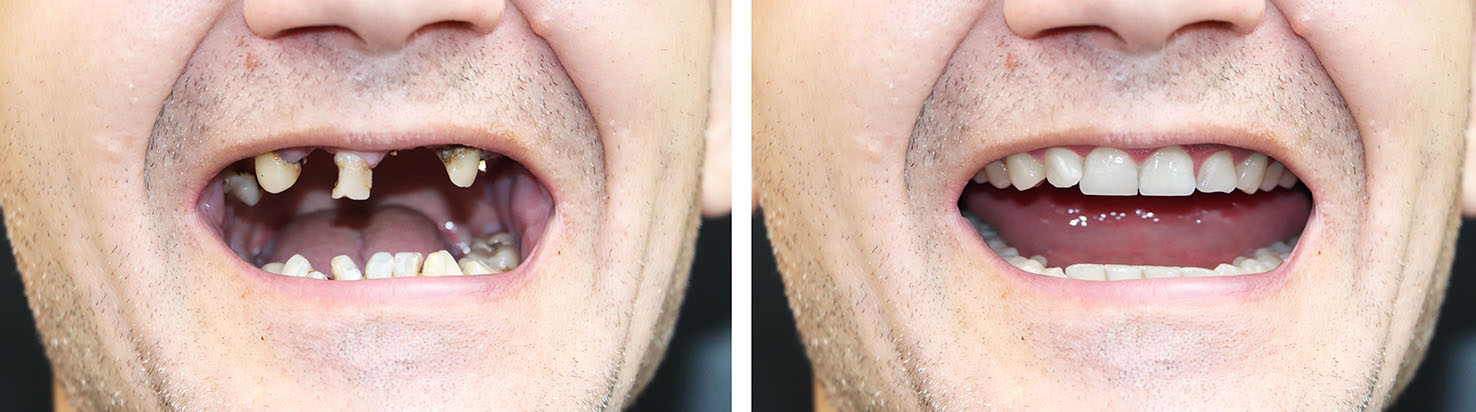
Implants are suitable for many adults who are missing one or more teeth, but candidacy depends on several factors. Healthy gums, adequate bone volume, and overall medical wellness are important. Chronic conditions and certain medications can affect healing and should be discussed during the evaluation.
Even when bone volume is reduced, grafting techniques and thoughtful implant placement can often create a stable foundation. The key is an individualized assessment that balances oral health, functional needs, and aesthetic expectations to determine the best pathway forward.
Smoking and uncontrolled systemic conditions can increase complications; honest, open conversations at the consultation help the care team recommend appropriate preparatory steps or modifications to the plan.
A typical sequence includes diagnostics, any necessary preparatory procedures (extractions or grafts), implant placement, a healing phase, and final restoration. At each stage the team coordinates to ensure the shape, color, and bite of the restoration match the patient’s natural teeth and goals.
Advanced imaging and digital planning tools allow precise positioning of implants, which improves restorative outcomes and reduces surprises during surgery. When cases require specialists — for example for complex grafting or full-arch reconstruction — a collaborative approach ensures each phase flows smoothly.
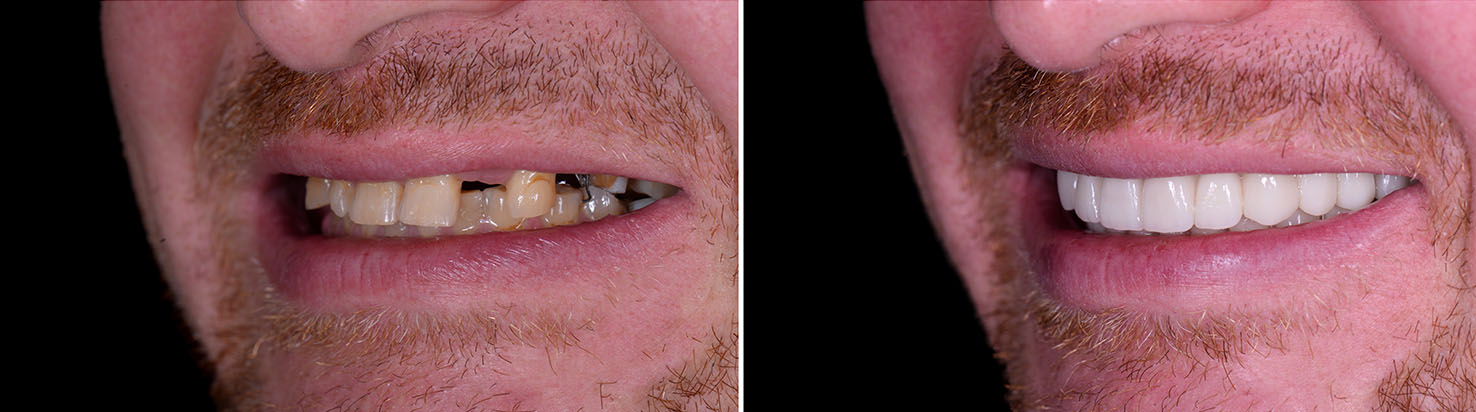
Long-term success of an implant depends on having sufficient bone to support it. Bone loss can occur after tooth extraction or from periodontal disease. When volume is inadequate, bone grafting techniques restore the missing support so implants can be placed in a stable environment.
Bone grafts can be performed at the time of extraction, prior to implant placement, or concurrently with the implant depending on the clinical situation. Using modern grafting materials and careful surgical technique, predictable augmentation is often achievable.
After implant placement, following your dentist’s post-operative instructions helps promote healing and reduce complications. Once the final restoration is in place, ongoing oral hygiene, regular professional cleanings, and routine dental exams are essential to monitor the implant and surrounding tissues.
Implant maintenance often mirrors natural tooth care: daily brushing, flossing or interdental cleaning around restorations, and periodic professional evaluations to detect early signs of gum inflammation or mechanical wear. Prompt attention to any changes helps protect your long-term outcome.
Replacing missing teeth with dental implants restores much more than chewing ability — it restores a sense of normalcy and confidence. Patients who move forward with thoughtfully planned implant care typically experience improved comfort, esthetics, and oral health that supports everyday life.
Whether you’re exploring a single implant or a comprehensive reconstruction, a careful, patient-centered approach ensures the chosen solution aligns with your goals and lifestyle.
If you’d like to explore whether dental implants can help restore your smile, call or request a consultation to discuss options. Our team is available to evaluate your needs, explain the recommended steps, and outline a personalized plan. Contact us to get started and discover how implant dentistry can improve the function and appearance of your smile.


If you've lost a tooth due to injury, decay, gum disease, or any other reason, we recommend dental implants to replace missing teeth. Dental implants come the closest to replicating the look, feel, and function of your natural teeth.
Dental implants are placed into the jawbone and mirror the same function as the root of a tooth. The procedure for dental implants is usually performed while a patient is sedated. Patients who undergo IV sedation must have an empty stomach and transportation home following the procedure. Most sedation patients will have little to no memory of the procedure occurring.
Generally, dental implants are made out of a biocompatible metal such as titanium. Biocompatible metals are also used for other common bone implants (such as shoulder, hip, and knee replacements). The visible portion of the implant is usually made out of porcelain and is custom-made to match your existing teeth.
Dental implants are designed to fuse to the bone, which makes them become permanent fixtures. Typically speaking, the success rate is nearly 100%. There are few cases in which the implant will not fuse as intended and must be removed. If this happens to occur, the procedure can be attempted again a few months later.
Dental implants are not usually covered by dental insurance, but may be covered under a patient's medical insurance. Our office and your insurance company can discuss coverage options with you based on your individual case and treatment plan.
It's easy... just take care of an implant as if it's a natural tooth! This involves regular brushing, flossing, and dental checkups. If you have any concerns about your implant, contact us immediately.
Dental implants are biocompatible posts surgically placed into the jawbone to replace missing tooth roots. Over a period of healing the implant fuses with the bone through a process called osseointegration, creating a stable foundation for crowns, bridges, or implant-supported prostheses. That root-level support restores chewing function and helps preserve facial contours by maintaining stimulation to the jaw.
Implant restorations are custom crafted to match surrounding teeth in shape and color, providing a natural appearance and reliable function. Because implants behave much like natural roots, they transmit chewing forces into the bone and reduce the risk of adjacent teeth shifting into an empty space. Patients frequently find that implants make eating, speaking, and daily oral hygiene feel more like caring for natural teeth.
Many adults who are missing one or more teeth are potential candidates for dental implants, but candidacy depends on oral and overall health. Adequate bone volume, healthy gum tissue, and controlled systemic conditions are important considerations, and certain medications or smoking can affect healing and outcomes. A thorough evaluation including medical history, periodontal assessment, and imaging helps determine individual suitability.
The team at Dodson Brothers Dentistry evaluates each patient’s needs and discusses preparatory options when necessary, such as bone grafting or tooth extractions. Even when bone is diminished, modern grafting techniques and careful planning often create a stable foundation for implants. Honest conversations about health history and lifestyle help the care team recommend the safest, most predictable path forward.
Treatment begins with a comprehensive exam and diagnostic imaging to assess bone volume, tooth alignment, and gum health, followed by a personalized treatment plan. Preparatory steps may include extractions, bone grafting, or periodontal therapy when required to create an optimal environment for placement. When the site is ready, the implant is placed during an outpatient procedure performed under local anesthesia, with sedation options available for added comfort.
After placement there is a healing period while osseointegration occurs, and in some cases a temporary restoration is provided for esthetics and function. Once integration is complete, the final restoration is attached and adjustments are made to ensure a correct bite and natural appearance. Regular follow-up appointments and routine maintenance are essential to monitor tissue health and long-term success.
Implants differ from bridges and removable dentures because they restore root function by anchoring into the bone, which improves stability and bite force. This root-level support helps preserve jawbone volume and facial contours over time, a benefit that removable options typically cannot match. Implants also often avoid the need to alter healthy adjacent teeth, which is sometimes required for conventional bridgework.
From a daily-use perspective, implant restorations generally feel more secure and eliminate many concerns associated with removable appliances, such as slipping and the need for adhesives. Cleaning around implant restorations is performed similarly to natural teeth, making routine oral hygiene familiar and effective. For many patients the functional and structural benefits make implants a preferred long-term solution when clinical conditions allow.
Bone grafting becomes part of the plan when there is insufficient bone volume to support an implant safely and predictably. Loss of bone can occur after tooth extraction or from periodontal disease, and grafting techniques rebuild missing volume to create a stable foundation for implant placement. Grafts can be performed at the time of extraction, prior to implant surgery, or concurrently with placement depending on the specific clinical circumstance.
Modern grafting materials and techniques make augmentation a reliable option for many patients, and the decision is based on diagnostic imaging and clinical exam. When grafting is recommended, the treatment timeline may be extended to allow for healing and integration of the graft before final restoration. Careful planning and experienced surgical technique improve the chances of a successful outcome.
Implant dentistry offers several restorative options to match different needs, from single-tooth crowns to multi-tooth bridges and full-arch solutions. A single implant topped with a custom crown replaces one missing tooth without affecting adjacent teeth, while implant-supported fixed bridges can replace multiple adjacent teeth by relying on strategically placed implants for support. For patients missing an entire arch, fixed full-arch restorations and All-on-style solutions restore chewing efficiency and facial support with a nonremovable prosthesis.
There are also implant-retained removable dentures that clip onto implants for improved retention while remaining removable for cleaning. The choice of restoration depends on factors such as the number and location of missing teeth, bone quality, esthetic goals, and patient preference. Your dental team will review the best restorative options during treatment planning to align function and appearance with long-term oral health.
The primary healing phase, during which osseointegration occurs, typically takes several months and varies based on the implant site, bone quality, and whether grafting was performed. In some cases immediate or early provisional restorations are possible, while other situations require a longer healing interval before placing the final restoration. Factors such as smoking, systemic health, and oral hygiene can influence the duration and success of healing.
Follow-up visits during the healing period allow the dental team to monitor tissue response and make any necessary adjustments to provisional restorations. Once integration is confirmed and soft tissues are healthy, the final restoration is fabricated and placed to restore function and esthetics. Ongoing maintenance after restoration is important to protect the investment and detect potential issues early.
Caring for implants combines the same daily habits used for natural teeth with regular professional maintenance. Daily brushing, interdental cleaning with floss or interdental brushes, and attention to the restoration margins help control plaque and reduce the risk of inflammation around the implant. Avoiding tobacco and managing factors such as bruxism can further protect implant health.
Professional cleanings and periodic exams allow your dental team to assess tissue health, check for mechanical wear, and address any early signs of problems. If you use a removable implant-retained prosthesis, remove and clean it as instructed and maintain cleaning around attachment components. Promptly report any pain, swelling, or changes in stability so the team can evaluate and intervene if needed.
Like any surgical procedure, implant placement carries potential risks such as infection, delayed healing, nerve irritation, and, less commonly, implant failure. Peri-implantitis, an inflammatory condition affecting tissues around the implant, can develop if plaque accumulates or if underlying periodontal disease is not controlled. Proper case selection, meticulous surgical technique, and consistent maintenance significantly reduce the likelihood of complications.
When complications arise, early detection and prompt management improve the chances of resolving the issue and preserving the implant. Treatments may include professional debridement, antimicrobial therapy, soft tissue management, or, in some cases, surgical intervention to address bone loss. Thorough diagnostic evaluation and collaborative care help guide appropriate treatment decisions when problems occur.
To begin, schedule a consultation so the team can review your medical and dental history, perform a clinical exam, and capture diagnostic imaging to evaluate bone and soft tissue conditions. During this visit the dentist discusses treatment goals, outlines possible restorative options, and explains any preparatory steps that may be necessary. Clear communication about each stage helps set expectations and supports shared decision-making.
If you decide to move forward, a personalized treatment plan is developed that sequences preparatory procedures, implant placement, healing, and final restoration. The office can be reached at (808) 214-9488 to arrange an appointment and answer questions about the evaluation process. A careful, patient-centered approach ensures the chosen solution aligns with your functional needs and aesthetic goals.

Have questions, need to schedule an appointment, or want to learn more about our services?
Our friendly team is ready to assist you. At Dodson Brothers Dentistry, we make connecting with us easy, convenient, and stress-free.